What Opendoor's $4 Billion Meltdown Reveals About Real Estate's Future

James
Author
When Opendoor went public in 2020, it was supposed to be the company that would revolutionize real estate by cutting out agents entirely. Fast forward...
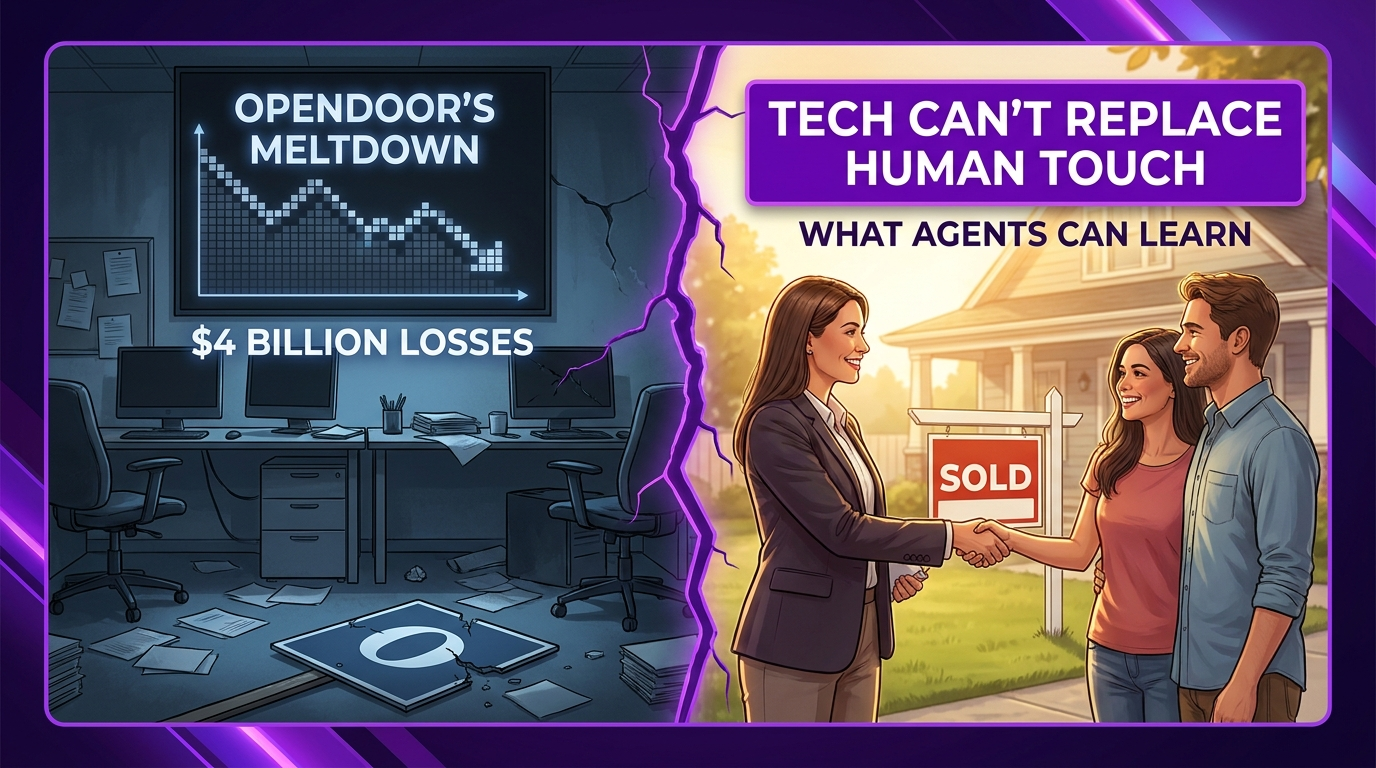
When Opendoor went public in 2020, it was supposed to be the company that would revolutionize real estate by cutting out agents entirely. Fast forward to 2024, and the iBuying giant has burned through nearly $4 billion, seen its CEO step down, and faced threats of being delisted from the stock market. But here's the kicker: they're now desperately trying to partner WITH real estate agents through programs like Key Connections.
The irony is almost too perfect. A company that raised billions to replace agents is now begging for their help.
The Rise and Fall of the iBuying Dream
Opendoor's original pitch was seductive in its simplicity: why deal with agents, showings, and negotiations when you could just sell your house to an algorithm? They promised instant offers, quick closings, and zero hassle. Silicon Valley loved it. Investors threw money at it. Traditional agents were supposed to become obsolete.
But reality had other plans.
The company's algorithm-driven approach to home buying proved disastrously expensive. They consistently overpaid for properties, underestimated renovation costs, and struggled to accurately price homes in rapidly changing markets. When interest rates started climbing and the housing market shifted, their entire business model collapsed faster than a house of cards in a windstorm.
The numbers tell the brutal story: Opendoor has lost approximately $3.8 billion since going public, with their stock price falling over 90% from its peak. Their former CEO Carrie Wheeler stepped down in September 2024, and the company received a delisting warning from the Nasdaq for trading below $1 per share for too long.
Why Technology Alone Can't Win in Real Estate
Opendoor's meltdown reveals something fundamental about real estate that tech bros consistently underestimate: buying and selling homes isn't just a transaction, it's an emotional journey that requires human expertise and trust.
Think about the last time you bought or sold a house. Did you just want the highest offer or the fastest closing? Probably not. You likely had questions about neighborhoods, concerns about timing, worries about market conditions, and needed someone to guide you through one of the biggest financial decisions of your life.
An algorithm can't hold your hand during a stressful negotiation. It can't read between the lines when a buyer's financing falls through. It definitely can't build the kind of long-term relationships that generate repeat business and referrals year after year.
This is why Opendoor's pivot to working with agents isn't just about survival, it's an admission that they fundamentally misunderstood the real estate business from day one.
The Relationship Advantage
While Opendoor was burning billions trying to eliminate agents, successful real estate professionals were doing what they've always done best: building relationships and becoming trusted advisors in their communities.
The agents who thrive aren't just transaction facilitators, they're local market experts who understand neighborhood dynamics, school districts, traffic patterns, and future development plans. They know which contractors to recommend, which lenders actually close on time, and how to navigate tricky situations that would make an algorithm crash.
More importantly, they build genuine connections with their clients. They remember birthdays, check in after closings, and become the go-to person for all things real estate in their clients' lives. This relationship-driven approach creates a sustainable business model that no app can replicate.
Lessons for Today's Agents
Opendoor's expensive lesson offers several key takeaways for real estate agents who want to build lasting careers:
Local expertise beats algorithms every time. While tech companies try to automate everything, your deep knowledge of local markets, neighborhoods, and community dynamics remains invaluable. Lean into this advantage.
Relationships are your competitive moat. Technology can copy features, but it can't replicate the trust and rapport you build with clients over time. Focus on becoming a trusted advisor, not just a transaction coordinator.
Consistency matters more than flashy marketing. Opendoor spent millions on advertising, but the most successful agents I know built their businesses through consistent referrals from satisfied clients. A steady stream of quality leads beats sporadic marketing campaigns every day.
Don't fear technology, use it. The lesson isn't that technology is bad, it's that technology alone isn't enough. Smart agents use tech tools to enhance their service and efficiency, not replace their core value proposition.
Building a Referral-Based Future
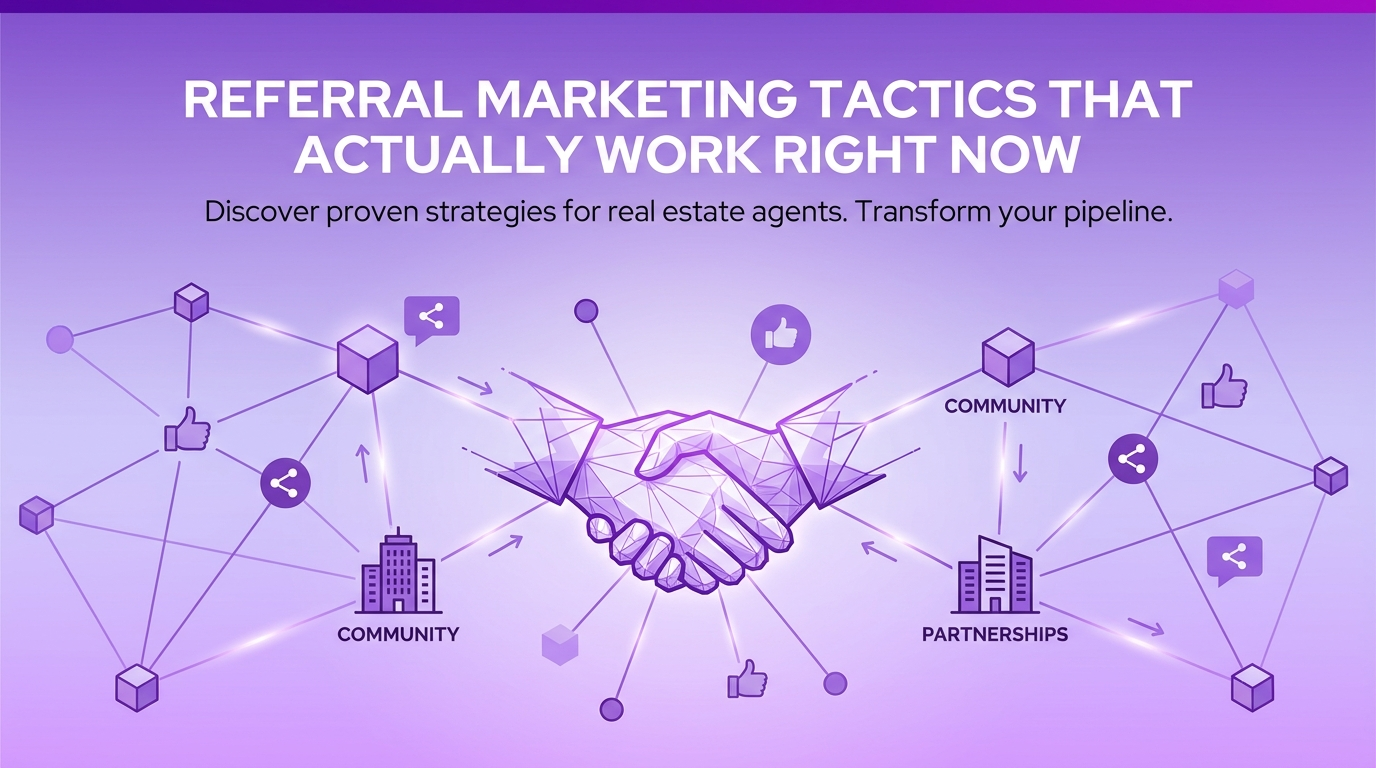
While Opendoor was trying to eliminate agents, the smartest real estate professionals were building businesses based on consistent referrals and repeat clients. This approach proved much more sustainable than any venture capital-funded disruption attempt.
The key is having a reliable system for generating new opportunities while nurturing existing relationships. Many agents struggle with feast-or-famine cycles where they're either too busy to prospect or desperately searching for their next deal. This inconsistency makes it impossible to build the kind of stable, relationship-focused business that weathers any market storm.
That's where having access to exclusive real estate referrals becomes crucial. When you know you'll receive qualified leads every month, you can focus on what you do best: building relationships and serving clients at the highest level. You're not constantly worried about where your next commission will come from, so you can invest time in the long-term relationship building that creates sustainable success.
The Technology Graveyard
Opendoor isn't the first tech company to crash and burn trying to "disrupt" real estate, and it won't be the last. Remember Compass and their promise to revolutionize the industry with technology? They went public with a $7 billion valuation and have since lost most of their value while laying off hundreds of employees.
The pattern is always the same: venture capitalists throw money at a problem they don't understand, founders promise to eliminate agents, and reality eventually sets in. Meanwhile, agents who focus on relationships and consistent lead generation keep building successful businesses year after year.
Your Sustainable Advantage
The real estate industry's future doesn't belong to algorithms or venture capital darlings. It belongs to agents who understand that success comes from combining the best of both worlds: using technology to enhance efficiency while never losing sight of the human relationships that drive the business.
Opendoor's $4 billion lesson should give every real estate agent confidence that their skills, expertise, and relationship-building abilities aren't going anywhere. In fact, as more tech companies fail to crack the code, the value of experienced agents continues to increase.
The key is building a business model that doesn't depend on market timing, viral marketing, or venture capital funding. Instead, focus on consistent referrals, exceptional service, and becoming the trusted real estate advisor in your community.
If you're ready to build that kind of sustainable business with a steady flow of exclusive leads, Check Your Territory and see how Reserve My Market can help you create the consistent referral system that outlasts any Silicon Valley disruption attempt. While tech companies burn billions trying to replace agents, you'll be building the relationship-driven business that actually works.